left: Guitarist Alejandro Cote performs on a CFX classical spruce top guitar with rosewood back and sides.
Welcome to CFX Guitars
CFX Guitars is a boutique luthier workshop in Los Angeles, handcrafting Spanish-style classical and flamenco guitars using traditional construction techniques passed down through generations of Spanish guitar making. Each instrument is built from solid tonewoods — never laminate — for the rich resonance, fast action, and expressive tone that discerning classical and flamenco players demand.
Whether you're a professional performer, a serious student, or a collector, CFX Guitars offers custom, one-of-a-kind instruments built specifically for your hands and your sound. Visit our Los Angeles workshop or contact me for a custom order.
How the Guitar is Made
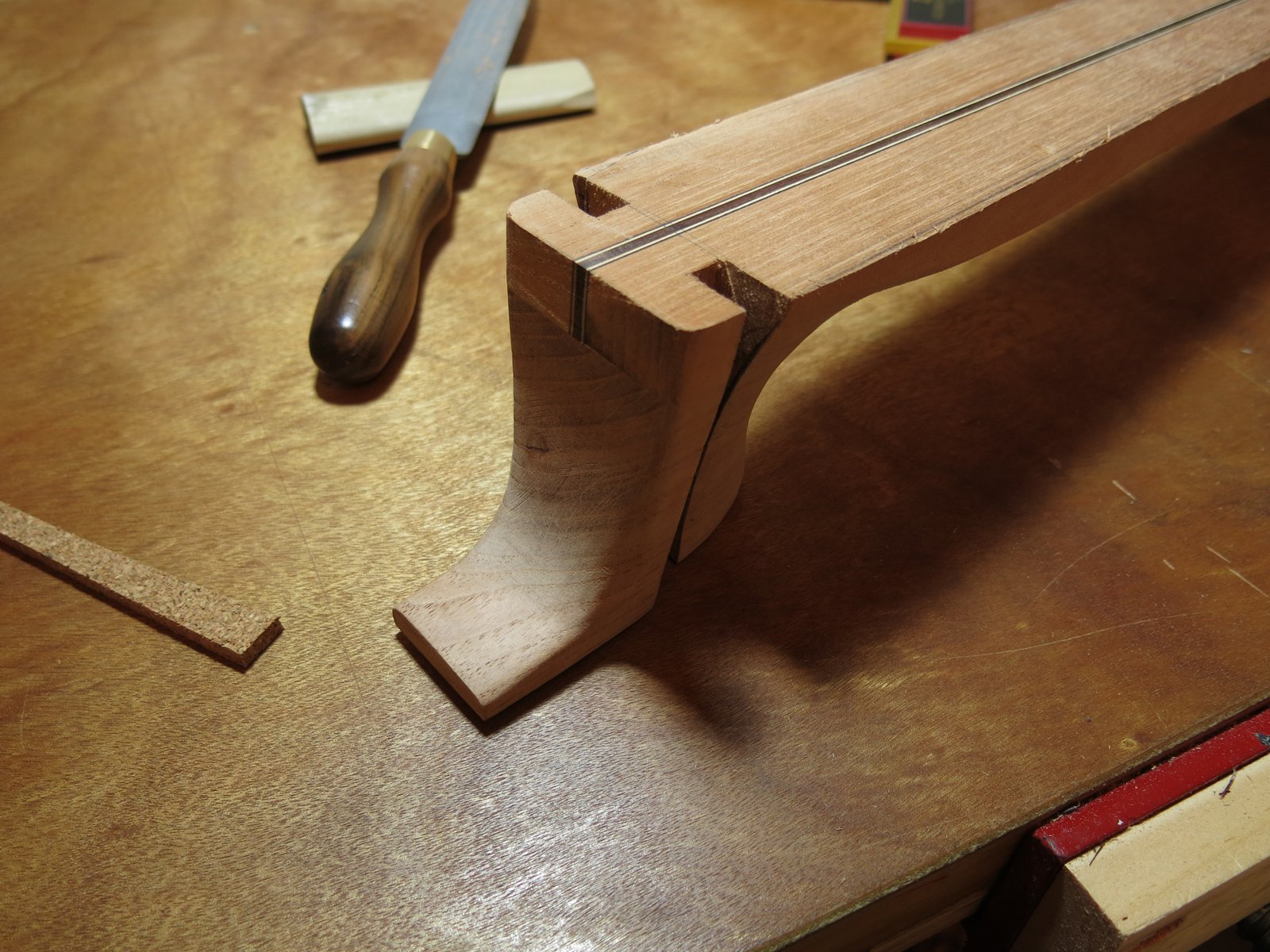
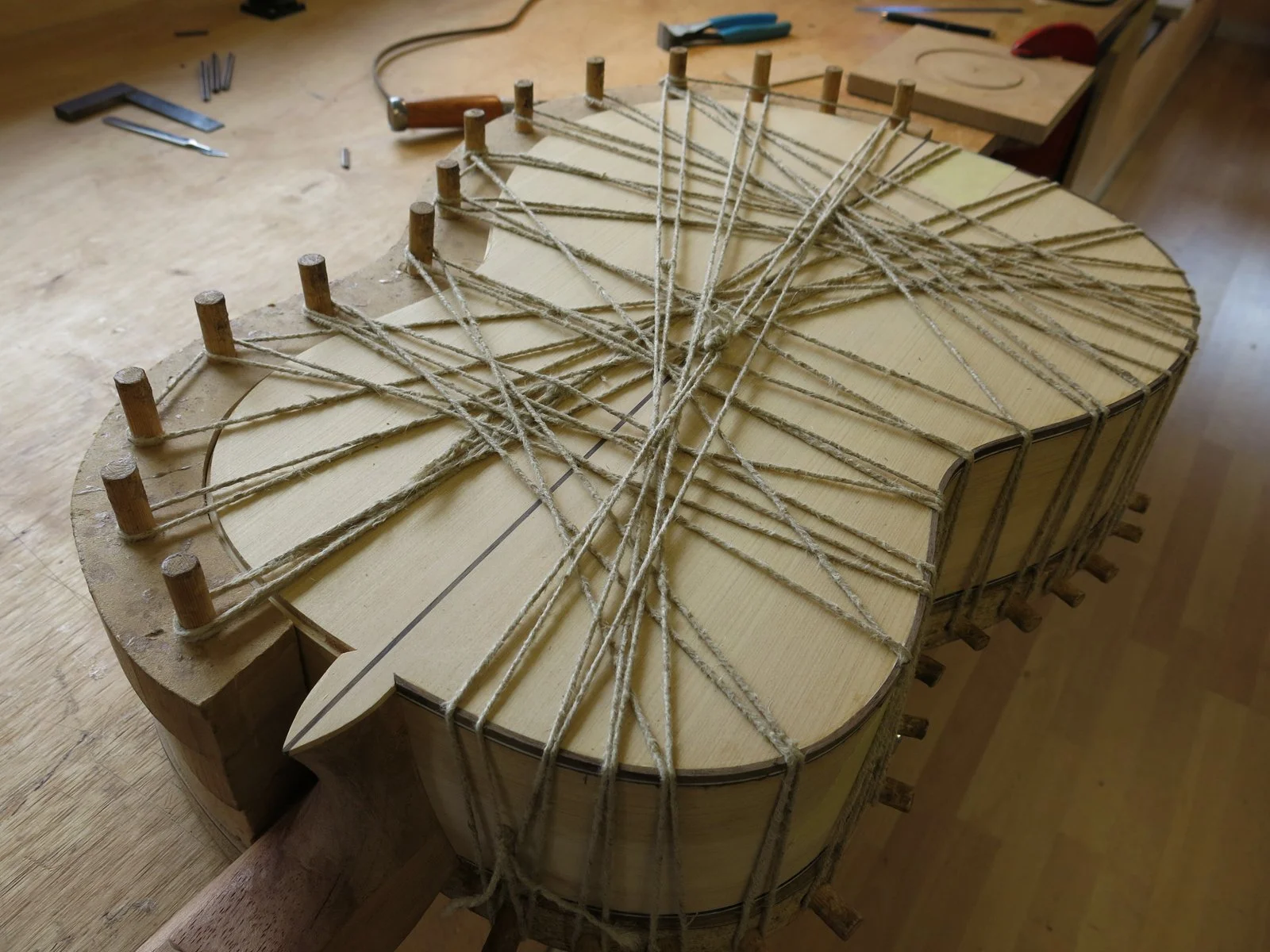
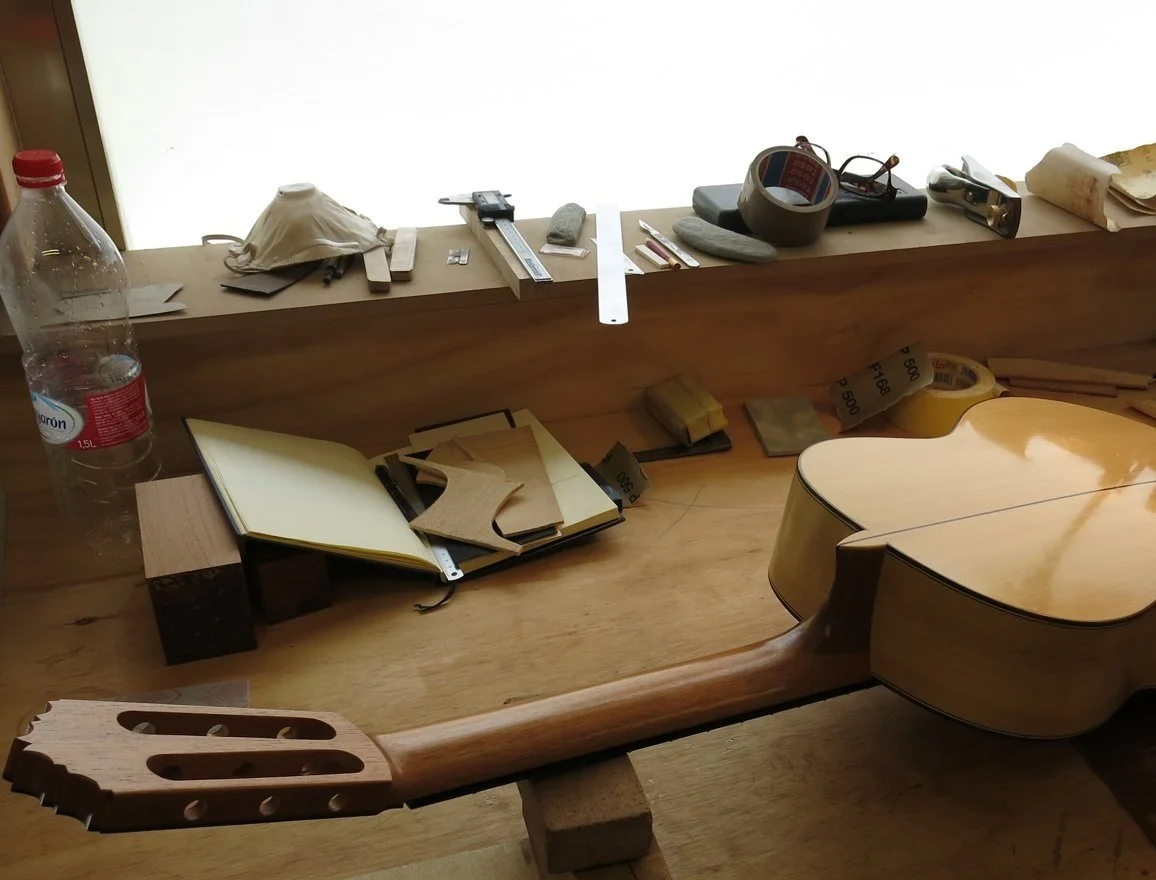
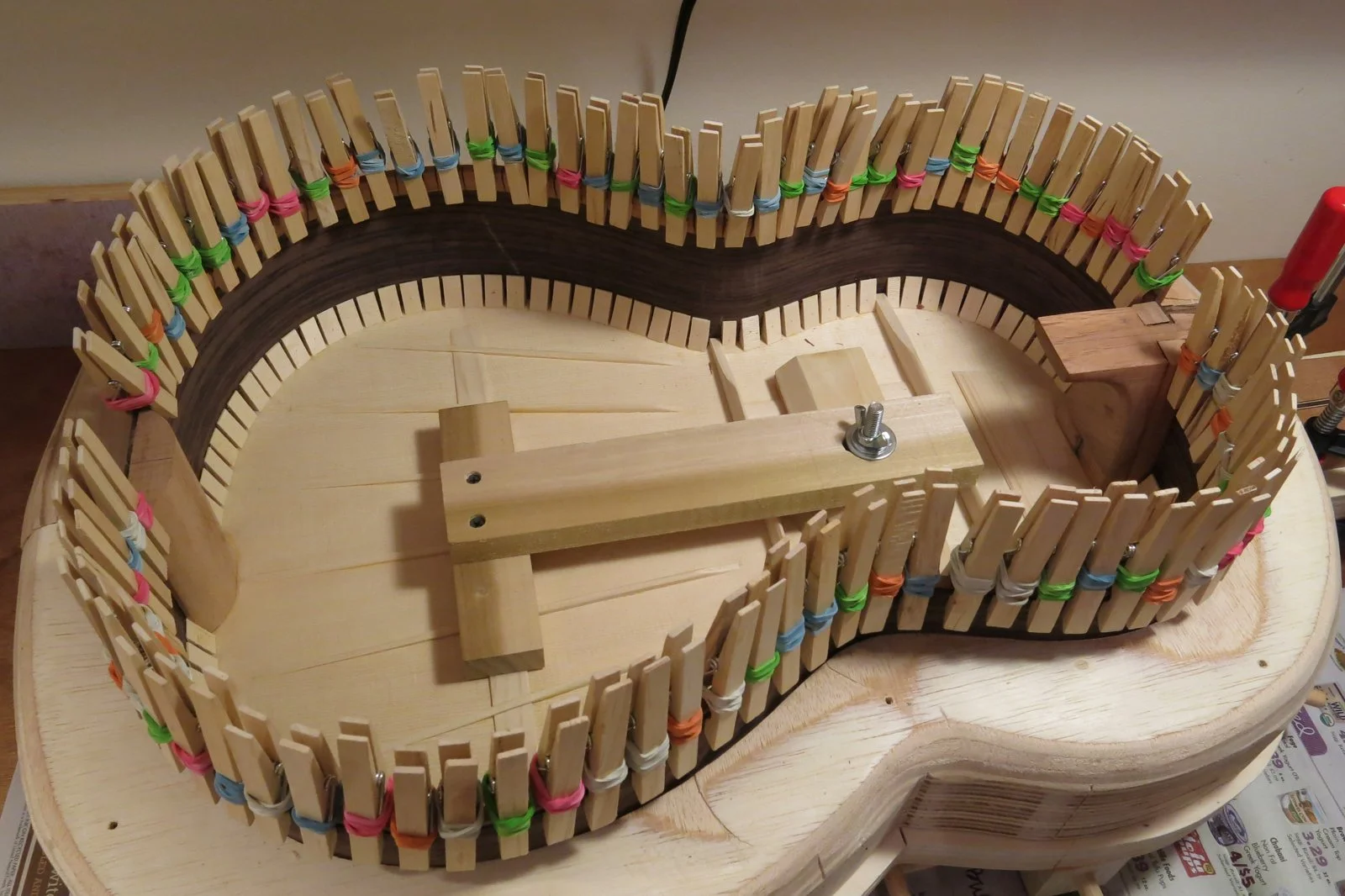
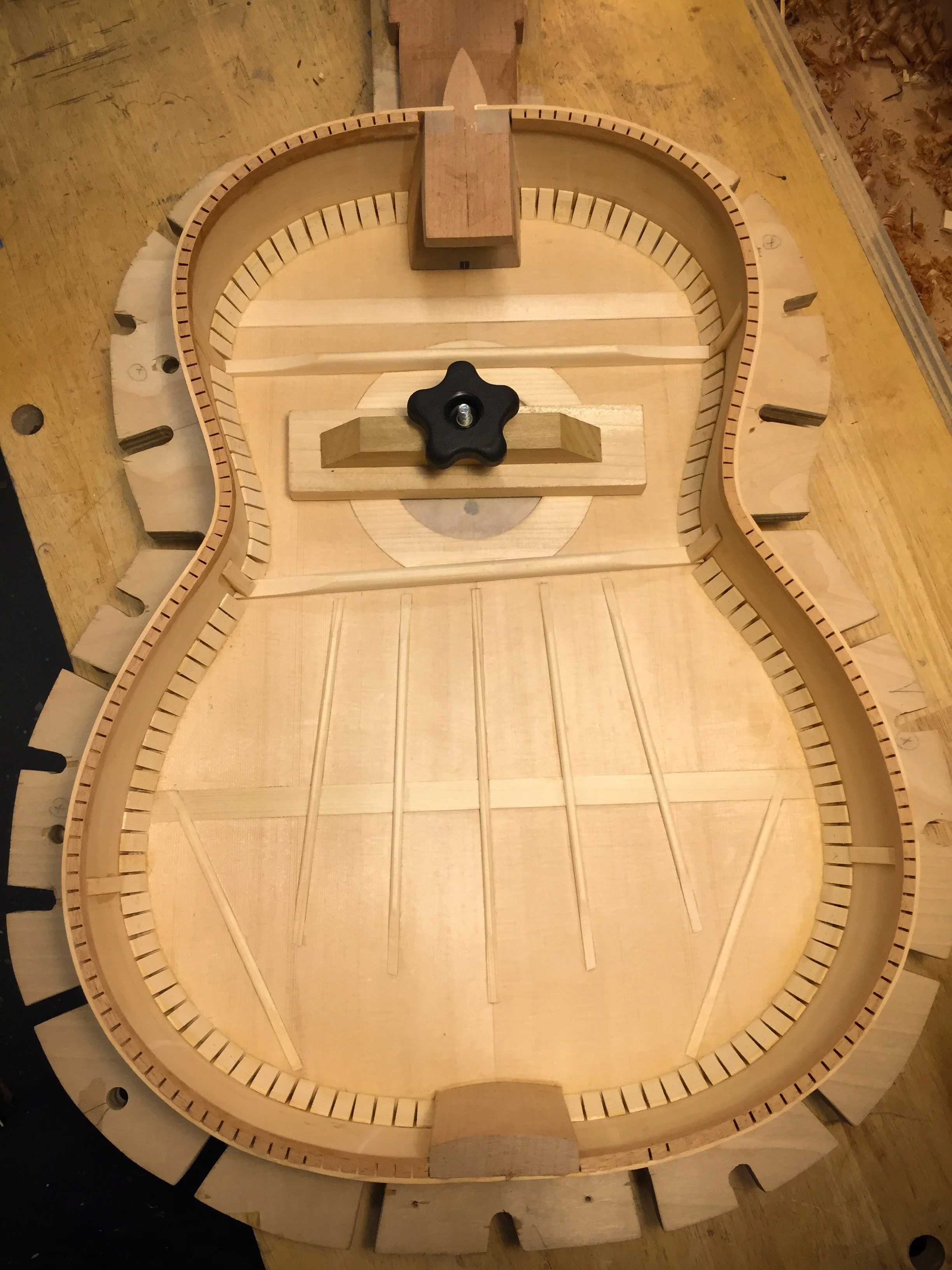
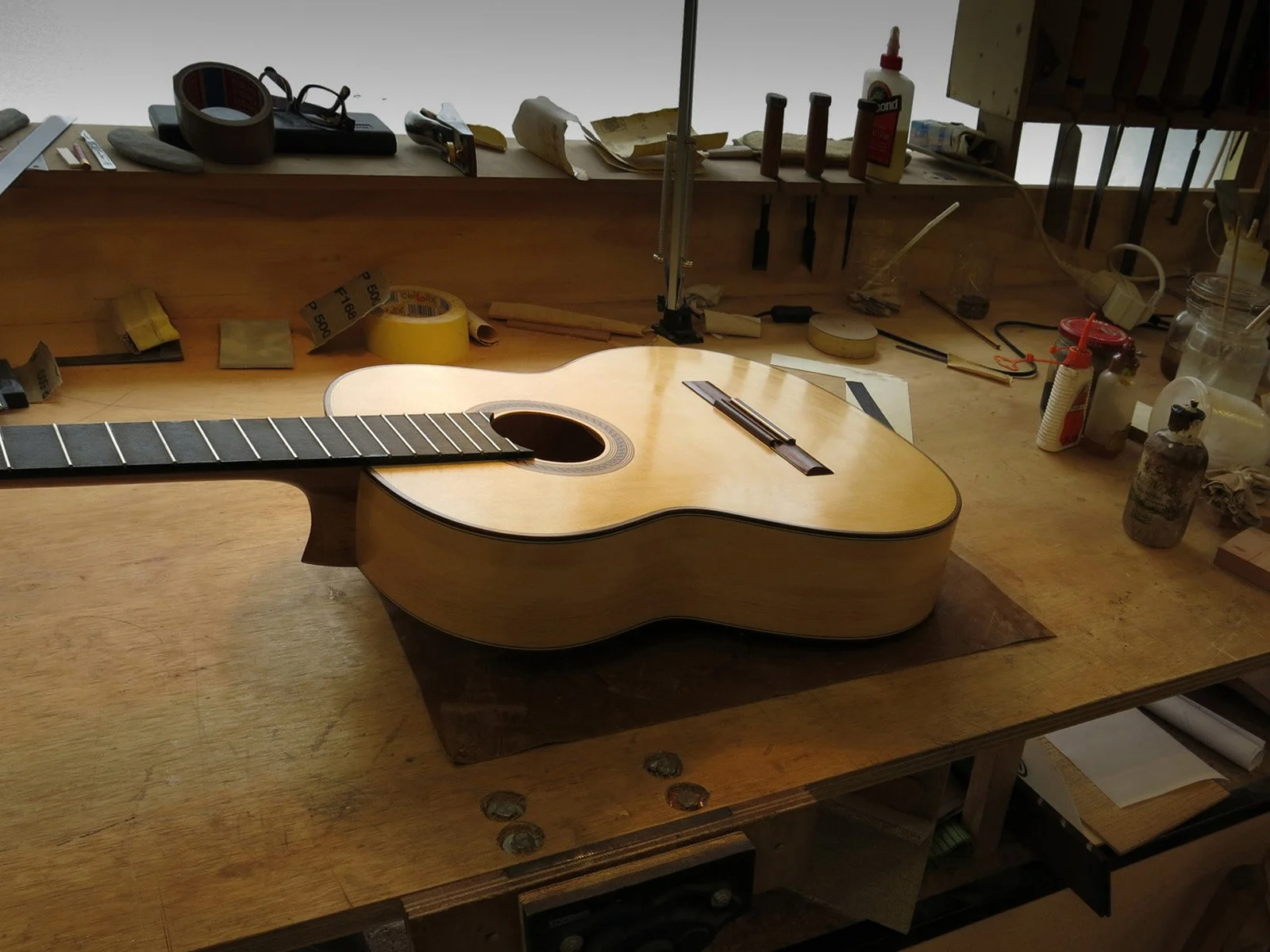
The sound boards are made using European Spruce or Western Red Cedar. The back and sides can be made with a variety of hardwoods, traditionally Rosewoods from India and South America. The neck is carved from Spanish Mahogany and is reinforced with a carbon fiber rods to give extra stiffness without adding more weight.
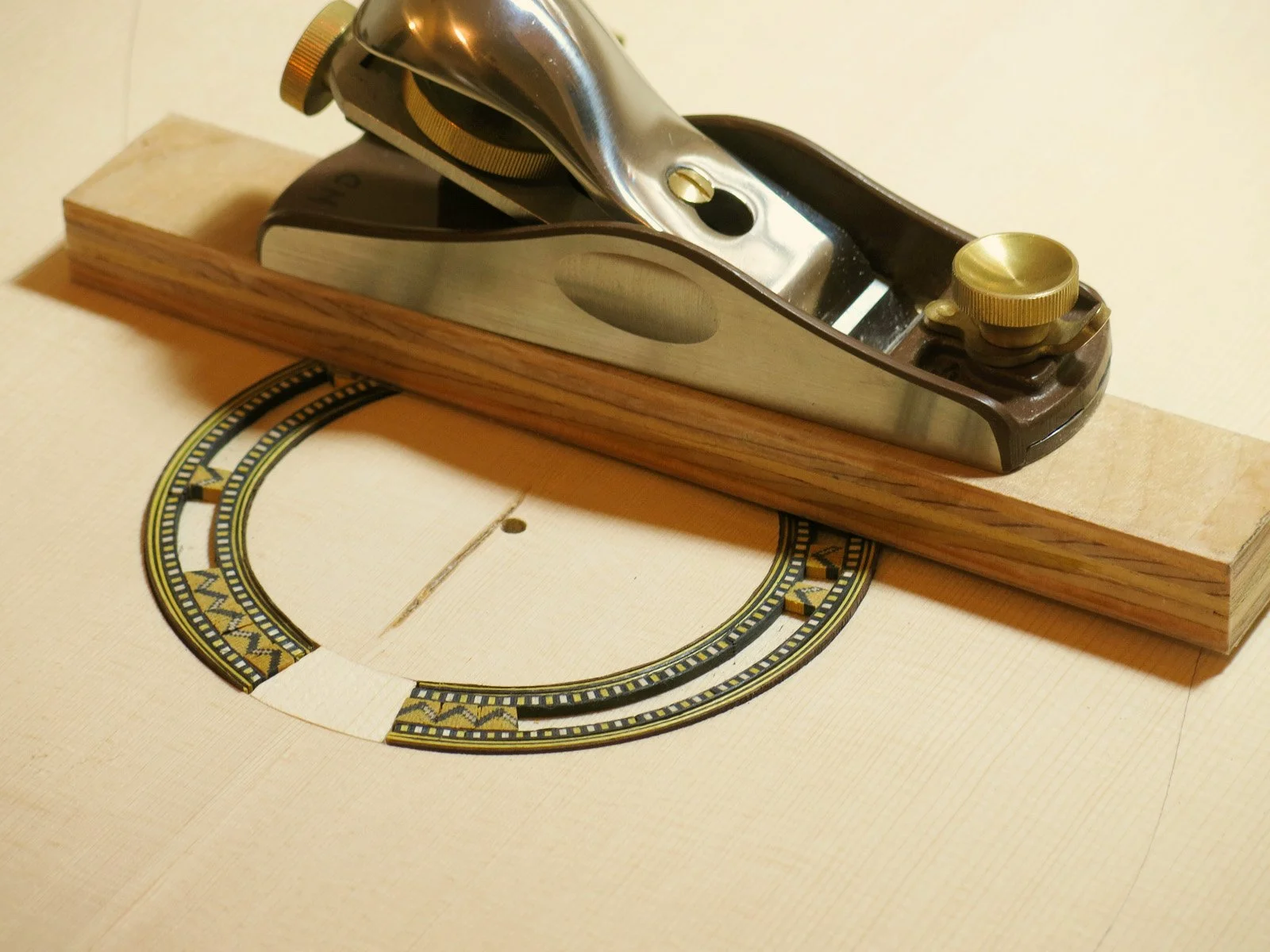
Examples of a “rope” tile for a flamenco guitar (above) and a rosette based on Ignacio Fleta’s design (below) for a classical cedar top guitar.
The Rosette
The rosette is a special part of the guitar that celebrates the beauty and aesthetic traditions of the guitar. Using wood veneer, the entire rosette is made by hand. Not only does the rosette support the sound hole, it is the strongest decorative element on the guitar. The rosette gives the individual guitar its 'face' and is the luthier’s unique decorative mark.
How a rosette tile is made by hand.
Steam bending and inlaying the rosette .
Applying the french polish.
The guitars are finished using traditional French polish - thin multiple coats of hand applied shellac that protects and enhances the surface of the guitar as it focused the sound of the guitar. French polish is very labor intensive but it is the most beautiful finish. It does not dampen the resonance of the guitar nor will it separate from the guitar due to variances in temperature. It is easy to repair and with care, will deepen in color and age with grace.